

How to Capture Breathtaking Wildlife Photos with Just Your Smartphone
Safaris Editorial Team
Expert Guide & Consultant
How to Capture Breathtaking Wildlife Photos with Just Your Smartphone
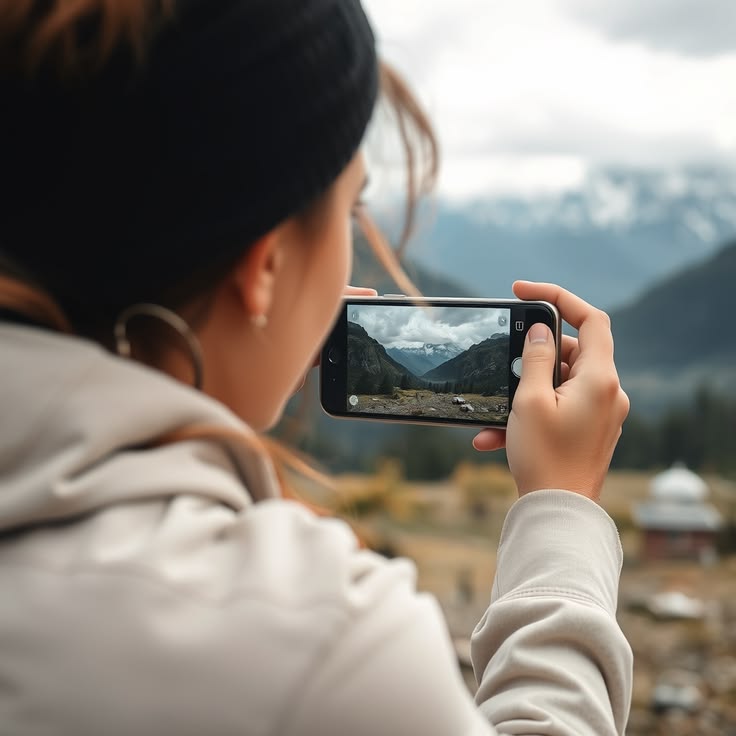
One of the biggest misconceptions about safari photography is that you need thousands of dollars' worth of professional camera equipment to take amazing wildlife photos. The truth is, today's smartphones are incredibly powerful. With advanced camera sensors, AI-powered image processing, optical zoom, and portrait modes, they can produce stunning images worthy of sharing—or even framing. Whether you're spotting a lion basking in the morning sun, a herd of elephants crossing Amboseli, or a giraffe silhouetted against an African sunset, your smartphone can help you preserve those unforgettable moments. The secret isn't owning the most expensive phone—it's knowing how to use it.
"The best wildlife photo isn't taken with the best camera—it's taken by the person who knows when to press the shutter."
Clean Your Camera Lens First
It sounds simple, but it's one of the most overlooked photography tips. Your phone spends most of its time in your pocket or bag, collecting fingerprints, dust, and lint that can make photos appear blurry or hazy. Before every game drive, quickly wipe your camera lens with a microfiber cloth or a clean piece of clothing. You'll be amazed at the difference a clean lens makes.
Use Natural Light to Your Advantage
Lighting is everything in photography. Fortunately, safaris naturally take place during the best lighting conditions. Early morning and late afternoon game drives—often called the "golden hours"—offer warm, soft light that beautifully highlights wildlife without creating harsh shadows. Midday sunlight can be extremely bright, so if possible, avoid photographing directly into the sun. Instead, position yourself so the light falls naturally on your subject.
"African wildlife is breathtaking on its own—the right light simply reveals its magic."
Zoom with Your Feet, Not Your Fingers
One of the biggest mistakes smartphone photographers make is relying on digital zoom. Unlike optical zoom, digital zoom simply crops the image, reducing quality and detail. Instead of pinching the screen to zoom in, wait patiently for the animal to come closer or ask your safari guide if the vehicle can safely reposition for a better angle. Professional safari guides know how to approach wildlife responsibly while maximizing viewing opportunities.
Focus on the Animal's Eyes
Whether you're photographing a lion, leopard, elephant, or bird, sharp eyes make the image instantly more engaging. Most smartphones allow you to tap the screen to select your focus point. Simply tap on the animal's eye before taking the photo. This creates a much more professional-looking image and helps your subject stand out.
Keep Your Phone Steady
Safari vehicles sometimes travel over rough terrain, making camera shake unavoidable. To reduce blurry photos: Hold your phone with both hands. Rest your elbows against your body. Lean on the safari vehicle for extra stability. Hold your breath briefly as you take the shot. Use burst mode for moving animals. A steady phone dramatically improves image sharpness.
Use Burst Mode for Action Shots
Wildlife rarely poses for the camera. Animals move quickly, birds take flight without warning, and predators can spring into action in an instant. Burst mode captures multiple images within seconds, increasing your chances of getting the perfect frame. This is especially useful when photographing: Lions hunting Running zebras Birds in flight Crossing elephants Jumping antelope Later, you can simply choose the best image from the sequence.
"Wildlife doesn't wait for photographers—but photographers can prepare for wildlife."
Learn Your Phone's Camera Features
Most modern smartphones include powerful photography tools that many people never use. Explore features such as: Portrait Mode Night Mode HDR (High Dynamic Range) Pro or Manual Mode Live Photos Exposure adjustment Learning these settings before your safari allows you to react quickly when incredible wildlife moments unfold. Practice at home so you're comfortable using them in the field.
Composition Makes the Difference
Great photography isn't just about the subject—it's about how you frame it. Instead of placing every animal in the center of the image, use the Rule of Thirds. Most phones allow you to activate grid lines in the camera settings. Position the animal slightly off-center to create a more balanced, visually interesting photograph. Also include some of the surrounding landscape whenever possible. An elephant beneath Mount Kilimanjaro or a giraffe against an African sunset tells a much richer story than a tightly cropped image.
Be Patient
The best wildlife photographers aren't necessarily the fastest—they're the most patient. Rather than taking one quick photo and moving on, spend time observing the animal's behavior. Wait for: Eye contact A dramatic pose Interaction between animals A yawn A stretch A mother caring for her young These authentic moments create photographs with emotion and personality.
Don't Forget the Little Details
While the Big Five often steal the spotlight, some of the most memorable safari photographs feature the smaller moments. Capture: Colorful birds Butterflies Elephant footprints Acacia trees Sunrise landscapes Maasai cultural experiences Safari camps Campfires beneath the stars These images help tell the complete story of your journey.
Take Advantage of Panorama Mode
Africa's landscapes are just as spectacular as its wildlife. Use your smartphone's panorama feature to capture: Endless Maasai Mara plains Amboseli with Mount Kilimanjaro The Great Rift Valley Lake Nakuru Vast savannah sunsets Wide landscape shots add variety to your travel photo collection.
Edit Your Photos—But Don't Overdo It
Editing can enhance a great photo, but subtle adjustments usually work best. Simple improvements include: Increasing brightness slightly Enhancing contrast Adding a touch of warmth Straightening horizons Cropping distractions Avoid excessive filters that make wildlife appear unnatural. Your goal is to enhance reality—not replace it.
Respect Wildlife First
No photograph is worth disturbing an animal. Always follow your guide's instructions and maintain a respectful distance. Avoid shouting, making sudden movements, or trying to attract an animal's attention for a better picture. Ethical wildlife photography protects both animals and visitors while preserving the natural safari experience. The best photographs come from observing nature exactly as it is.
"Leave only footprints, take only photographs, and cherish only memories."
Essential Smartphone Photography Accessories
You don't need a heavy camera bag, but a few small accessories can make a big difference. Consider packing: Portable power bank Microfiber cleaning cloth Compact phone tripod Clip-on telephoto lens Waterproof phone pouch Extra charging cable These lightweight items take up very little space but can significantly improve your photography experience.
The Best Safari Destinations for Smartphone Photography
Kenya offers countless opportunities to capture extraordinary images with your smartphone. Some of the best locations include: Maasai Mara National Reserve – Big Cats, the Great Migration, dramatic golden landscapes, and unforgettable sunsets. Amboseli National Park – Iconic elephant herds set against the majestic backdrop of Mount Kilimanjaro. Lake Nakuru National Park – Flamingos, rhinos, giraffes, and picturesque lakeside scenery. Samburu National Reserve – Unique wildlife such as Grevy's zebras, reticulated giraffes, and gerenuks in a rugged northern landscape. Tsavo East and Tsavo West National Parks – Vast wilderness, red elephants, lava flows, and fewer crowds for uninterrupted photography. Each destination offers its own unique scenery, making every safari a chance to create unforgettable images.
Capture Memories, Not Just Pictures
The excitement of wildlife photography can sometimes make travelers spend the entire safari looking through a screen. Remember to pause. Watch the elephants without lifting your phone. Listen to the sounds of the African bush. Enjoy the sunrise with your own eyes before capturing it through your camera. Some of the most treasured safari memories are the ones that never appear in your photo gallery.
Let Lucky House Safaris Take You to the Perfect Shot
At Lucky House Safaris, our experienced guides know exactly where and when to position safari vehicles for the best wildlife viewing and photography opportunities. Whether you're carrying a professional camera or simply your smartphone, we'll help you enjoy incredible encounters with Kenya's magnificent wildlife. From the Great Migration in the Maasai Mara to elephant-filled landscapes in Amboseli and the hidden beauty of Samburu, our tailor-made safari packages are designed to put you in the right place at the right time.
Final Thoughts
You don't need professional photography equipment to capture extraordinary safari memories. With a modern smartphone, a little patience, and a few simple techniques, you can take stunning wildlife photographs that tell the story of your African adventure. Focus on light, composition, patience, and respect for nature, and you'll return home with more than just beautiful pictures—you'll have meaningful memories preserved for years to come. Ready to put your photography skills to the test? Book your next adventure with Lucky House Safaris and discover the incredible wildlife, landscapes, and once-in-a-lifetime moments that make Kenya one of the world's greatest safari destinations.
Inspired to go?
Our expert consultants are ready to turn this story into your reality. Let's start building your custom itinerary.
Plan Your Trip